**********On Monday (February 10th Beijing time), spot gold trading was around 2863.54. Gold prices rose for the sixth consecutive week last week, as the escalation of trade tensions prompted investors to buy safe haven assets; US crude oil traded around $71.05 per barrel. After the US imposed new sanctions on Iranian crude oil exports, oil prices rose last Friday. However, due to investor concerns about US President Trump imposing tariffs on other countries, oil prices fell on a weekly basis. Over the weekend, Trump announced the imposition of universal equivalent tariffs this week.

The Dow Jones Industrial Average closed down 0.99% last Friday at 44303.40 points; The S&P 500 index fell 0.95% to 6025.99 points; The Nasdaq index fell 1.36% to 19523.40 points.
Key focus for the day: tariff related news, European Central Bank President Lagarde's participation in the plenary debate on the European Central Bank's 2023 annual report, and the February Sentix investor confidence index for the eurozone.
stock market
The three major stock indexes in the United States closed down across the board last Friday, affected by previously released weak employment and consumer confidence data, as well as US President Trump's plan to announce reciprocal tariffs on multiple countries this week.
Trump did not specify which countries would be hit, but stated that this would be a broad action that would also help address the US budget issue. Mark Hackett, Chief Market Strategist at Nationwide, said that last Friday's employment data had already set the tone for the market, but when the topic of tariffs resurfaced, people immediately put it aside.
A survey released last Friday showed that US consumer confidence unexpectedly fell to a seven month low in February, inflation expectations sharply rose, and consumer expectations for the next year's inflation rate soared to 4.3%, the highest since November 2023. Another report shows that after strong growth in the first two months, the slowdown in US job growth in January exceeded expectations, but the 4% unemployment rate may provide a reason for the Federal Reserve to postpone interest rate cuts until at least June.
The final employment report during former President Biden's presidency showed that in the 12 months ending in March last year, the United States created 598000 fewer jobs than previously estimated. However, the final benchmark correction for employment data is lower than the estimated decrease of 818000 job positions in August last year.
Last week, all three major stock indexes fell. The Dow Jones Industrial Average fell 0.54%, ending a three week streak of gains. The S&P index fell 0.24%, while the Nasdaq fell 0.53%. Last Friday, all 11 sectors of the S&P 500 index closed lower, led by the non essential consumer goods sector, which fell by about 2.5%. Uber surged 6.6% after billionaire hedge fund manager Bill Ackman disclosed holding a large stake in the company. Amazon plummeted 4.1% after its cloud computing division, Amazon Web Services, performed weakly and its first quarter revenue and profit forecasts were lower than expected. The Cboe Volatility Index, known as the Wall Street Fear Index, rose 6.6% to 16.3.
Short term interest rate futures traders currently expect the Federal Reserve to only cut interest rates once this year, with previous bets of two cuts starting in June.
King City
The gold price rose last Friday and is expected to achieve its sixth consecutive week of increase, as the escalation of trade tensions prompted investors to buy safe haven assets.
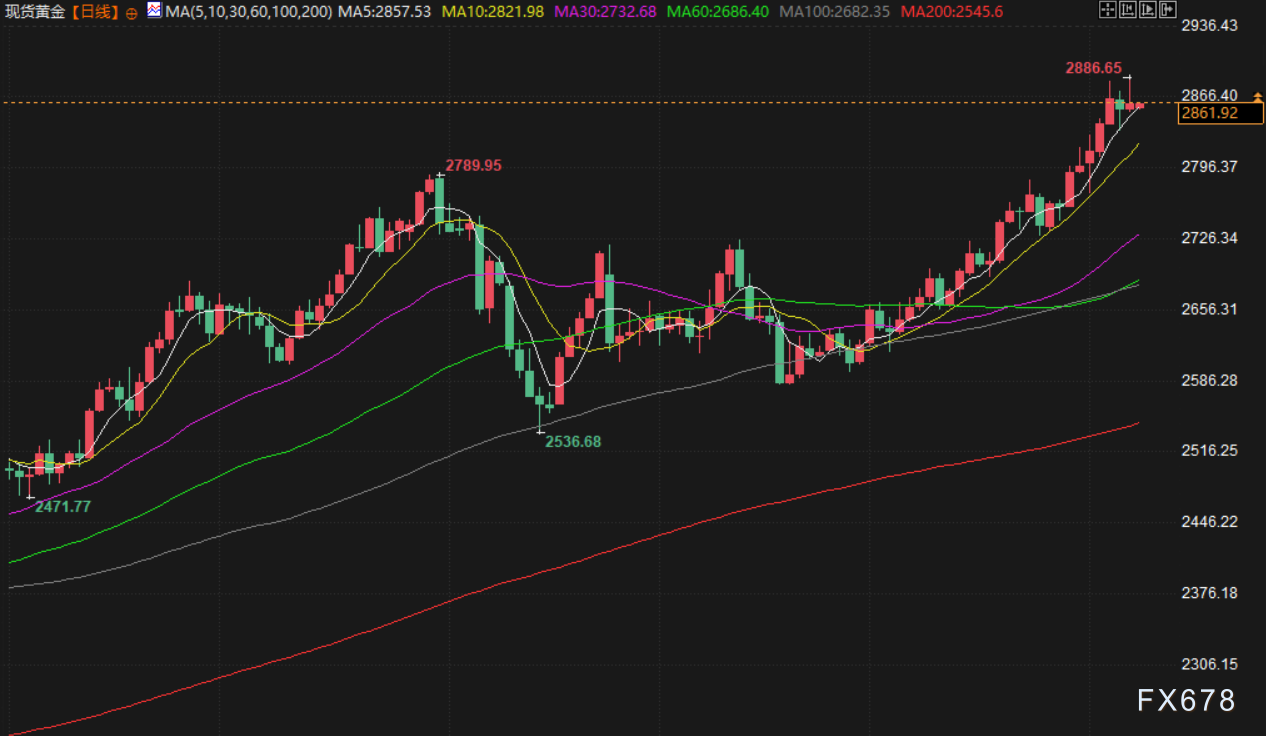
Spot gold rose 0.2% to $2861.46 per ounce, with an increase of over 2% last week and reaching a record high of $2886.62 during trading. US gold futures closed up 0.4% at $2887.60 per ounce.
David Meger, Head of Metal Trading at High Ridge Futures, said: 'The core focus of the gold market remains...'Trump tariffsThe uncertainty of policies
At the same time, a report from the US Department of Labor shows that the US economy added 143000 new jobs in January, while economists expected 170000, and the unemployment rate was 4%, with an expected 4.1%.
Spot silver fell 0.8% to $31.94 per ounce; Platinum fell 0.3% to $982.50 per ounce. Palladium fell 0.7% to $971.62 per ounce. Silver and platinum rose last week, while palladium fell 3.7% last week.
Oil market
After the United States imposed new sanctions on Iranian crude oil exports, oil prices rose last Friday, but fell on the weekly chart due to investors' concerns about US President Trump imposing tariffs on other countries.
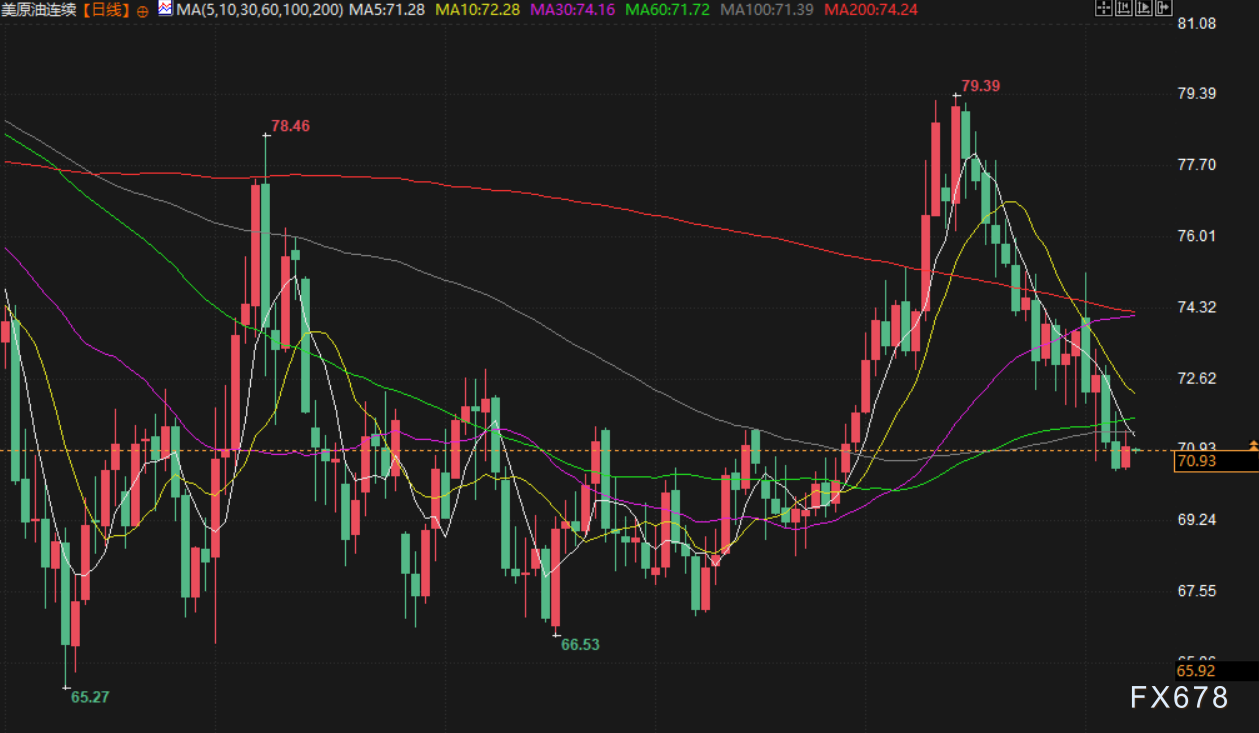
The settlement price of Brent crude oil futures was $74.66 per barrel, up 0.5%, and fell more than 2% last week. US crude oil futures closed at $71.00 per barrel, up 0.55%.
John Kilduff, a partner at Again Capital LLC, stated that reports of the Trump administration's plan to impose tariffs have dampened the rally following the announcement of sanctions last Thursday. We are trying to find a way out of the White House's sanctions/non sanctions and tariff rhetoric, and US crude oil has been staying around $70 per barrel, which seems to be the lower end of the trading range. He said, 'I don't know if oil prices are low enough for the president, but we'll wait and see.'.
Oil prices closed lower last Thursday after Trump reiterated his commitment to increasing US oil production, which made traders nervous. A day ago, the US reported a much higher than expected increase in crude oil inventories.
currencies
The US dollar rose in volatile trading last Friday after data showed that US job growth slowed in January, but the unemployment rate dropped to 4.0%, providing a reason for the Federal Reserve not to cut interest rates until at least June.
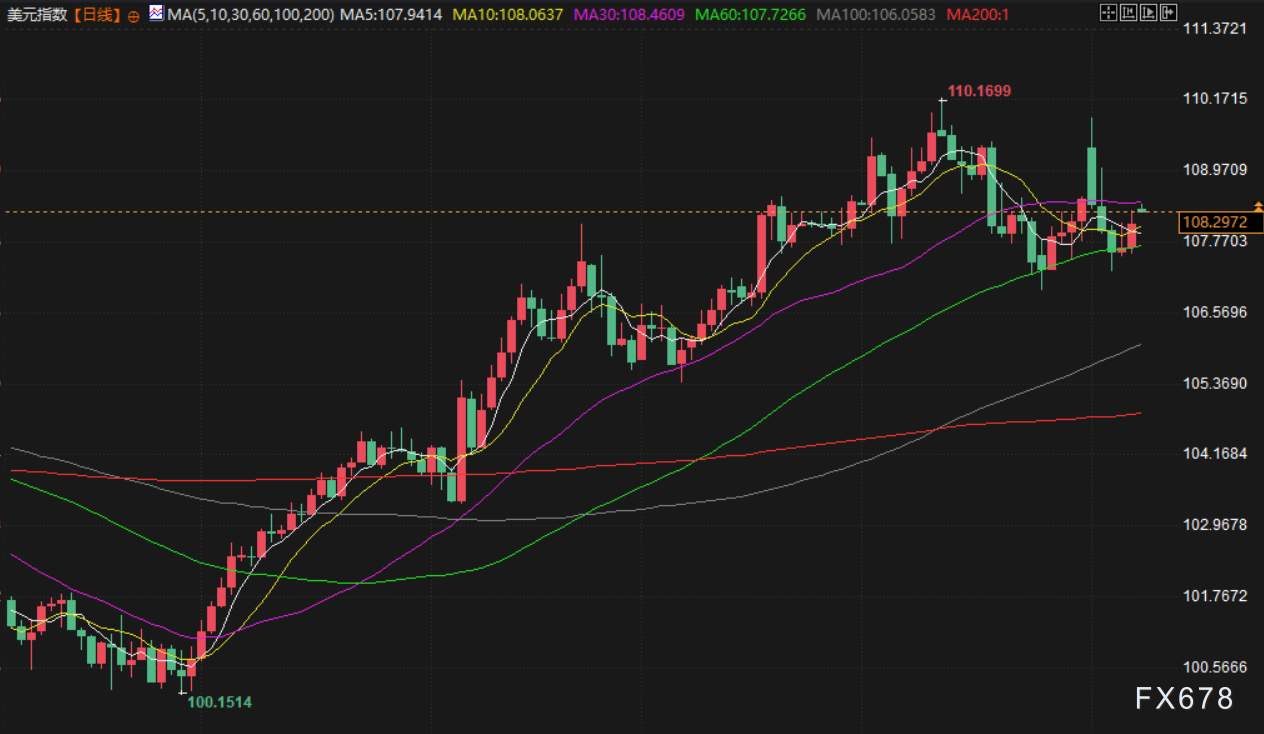
US President Trump has stated that he plans to announce reciprocal tariffs on many countries this week, but has not specified which countries, which will also boost the US dollar.
The US dollar index rose 0.353% at the end of the session, closing at 108.04. But as investors' concerns about global trade weakened, the US dollar index fell last week. The US Bureau of Labor Statistics stated in its highly anticipated employment report that non farm payroll jobs increased by 143000 in January, with a revised upward increase of 307000 in December. Economists had previously predicted an increase of 170000 jobs in January.
We haven't seen a real trend in non farm employment formation, "said Joseph Trevisani, a senior analyst at FX Street." We haven't seen a downward trend or an upward trend. It's almost average, so I don't think you'll see a lot of market trends because of it
Last Friday, investors' concerns about global trade resurfaced after Trump promised to impose more tariffs as part of his broader efforts, which he said would also help solve the US budget problem. Trump announced the news during a meeting with visiting Japanese Prime Minister Shigeru Ishiba. He said that the car tariffs are still under discussion, and there have been reports that the White House is considering possible exemptions.
The pound was trading at $1.2413 against the US dollar, down 0.2%. Last Thursday, it fell by 0.54%, and the Bank of England lowered interest rates to 4.5%, stating that the UK economy will only grow by 0.75% this year, which is half of the previously expected growth rate. The pound fell 1.1% at one point after the announcement of the Bank of England's decision, but Bank of England Governor Bailey told Bloomberg News that the market should not overinterpret some decision makers' support for a larger rate cut, and the pound's decline subsequently narrowed. The euro fell 0.49% to $1.0333 at the end of last Friday's trading in New York.
The US dollar fell 0.09% against the Japanese yen to 151.365. Previously, the US dollar fell below 151 yen for the first time in early Asian trading since December 10th, as the market bet that the Bank of Japan's interest rate hike this year would exceed previous expectations, and wage data earlier this week also provided support for this bet.
Bank of Japan reviewer Naoki Tamura stated last Thursday that the central bank must raise interest rates to at least 1% in the second half of the 2025 fiscal year, further fueling expectations of rate hikes. Naoki Tamura is one of the most hawkish members of the Policy Committee.
Mizuho analyst Yamamoto said that Naoki Tamura has become more hawkish than before, and I believe the possibility of the Bank of Japan delaying interest rate hikes until September is relatively small.
In the early days of the Trump administration, investors were in a state of tension. Last week, Trump suspended the planned tariffs on Mexico and Canada at the last minute. US Treasury Secretary Besson said in an interview with Fox Business Channel last Wednesday that although Trump hopes to lower interest rates, he will not ask the Federal Reserve to cut them. He and the President are closely monitoring the 10-year Treasury yield.
international news
The Israeli delegation has arrived in Doha to commence negotiations on the second phase of the Gaza ceasefire agreement
On the 9th local time, it was learned from Israeli media that the Israeli delegation has arrived in Doha, Qatar to start negotiations on the second phase of the ceasefire agreement in the Gaza Strip. There is currently no response from the Israeli authorities regarding this matter. (CCTV)
Trump: Will force New York state government to 'cancel' congestion fees by cutting federal funding
On February 8th local time, according to The New York Post, US President Trump stated in an interview with the newspaper that he has developed a plan aimed at forcing the New York state government to "cancel" congestion charges in Manhattan by cutting federal funding through the Federal Department of Transportation. The report states that the Federal Department of Transportation will withhold a huge amount of federal funds and restart the fee environment review process authorized by the Biden administration to force the New York state government to comply. New York State may lose a portion of its five-year, $36 billion federal transportation funding, which will continue until the end of 2026. Trump strongly criticized the imposition of congestion fees as "destructive to New York" and would lead to "people not coming to New York City anymore". Trump believes that he and New York Governor Kathy Hochul can still reach an agreement on canceling the tax. (CCTV)
New Zealand adjusts' golden visa 'to attract affluent immigrants
New Zealand is simplifying its so-called 'golden visa' program, including removing English language requirements to attract wealthy immigrants and help drive economic recovery. New Zealand Immigration Minister Erica Stanford said in Auckland on Sunday that from April 1st, the "Active Investor+" visa will be narrowed down to only two categories, while the acceptable investment scope will be expanded. Stanford stated that in addition to canceling language tests, other potential investment barriers, such as the amount of time investors must stay in the country, will also be adjusted.
Musk clarifies consensus with the US Treasury Department
Musk posted on social media clearly the reasonable measures recognized by the Department of Efficiency (DOGE) team and the US Treasury Department. 1. Require all government expenditures to have a payment classification code, which is necessary for financial auditing; 2. All payments must also indicate the reason for payment in the remarks column, which is usually empty now; 3. For entities known to have engaged in fraudulent activities, deceased individuals, potential targets of terrorist organizations, or situations that do not match congressional appropriations, the "no payment" list must be effectively implemented and cannot be ignored. He stated that the necessary reforms mentioned above were implemented by long-term grassroots personnel in the finance department, rather than the government efficiency department.
Trump's recruitment freeze hinders federal firefighters from joining before wildfire season arrives
This federal hiring freeze stems from an executive order signed by Trump on his first day in office, which prohibits the creation of new federal civilian positions or the filling of vacant positions. According to reports, most firefighters hired by the federal government are seasonal, employed in the form of long-term or temporary employees. Before the arrival of the summer wildfire season each year, these employees need to be rehired. At present, it is not possible to restart the recruitment process in the future to ensure that the fire brigade is prepared for the peak of the wildfire season. California has already experienced devastating wildfires.
Poll: immigration is the most concerned issue of Germans before the election of the Bundestag
A survey conducted by YouGov for the Sunday World newspaper shows that immigration is the most concerning issue for German residents before the federal parliamentary elections. The poll results show that 31% of respondents stated that immigration issues have the greatest impact on their election voting. Economic development and inflation rank second in importance (26%), followed by social security (16%). Meanwhile, 29% of respondents believe that the right-wing political party "Alternative for Germany" is the most capable of addressing immigration issues among all parties in the Federal Parliament.
Japanese food prices rise, Engel coefficient hits a new high in 43 years
The skyrocketing food prices in Japan are dragging down personal consumption. The household survey conducted by the Japanese Ministry of Internal Affairs and Communications shows that consumer spending in 2024 actually decreased by 1.1% year-on-year. The Engel coefficient, which represents the proportion of food in consumer spending, is 28.3%, reaching a new high in 43 years. The actual monthly expenditure in December 2024 increased by 2.7%, indicating a recovery trend in consumption. From the composition of consumer spending in 2024, transportation and communication are actually the most significant negative factors contributing to consumer spending, with a year-on-year decrease of 4.1%. Due to some Japanese car manufacturers being exposed for certification violations, car production was temporarily suspended, affecting consumption.
Domestic news
Data shows that the daily average number of flights executed on domestic routes in China in January increased by 27.49% year-on-year
According to the China Airlines Association, according to statistics from Feichangzhun and Ctrip, the daily average number of flights operated on domestic routes in China will be about 13537 in January 2025, an increase of 12.23% compared to the previous month. The average daily flight volume increased by 27.49% year-on-year in January 2024, and by 15.68% compared to the same period in 2019. The daily average number of flights operated on international/regional routes within China is about 2300, a month on month increase of 7.53% and a year-on-year increase of about 8 times compared to 2024, continuing to maintain a sustained growth momentum. The daily average flight volume is currently at around 88% of the same period in 2019. In January 2025, the total passenger transportation volume was about 65 million, a year-on-year increase of about 13%, and an increase of about 21% compared to the same period in 2019. The average daily passenger transport volume in January was about 2.08 million.
National Bureau of Statistics: Consumer prices rise by 0.5% year-on-year in January 2025
According to data from the National Bureau of Statistics, in January 2025, the national consumer price index rose by 0.5% year-on-year. Among them, urban areas rose by 0.6% and rural areas rose by 0.3%; Food prices increased by 0.4%, while non food prices increased by 0.5%; Consumer goods prices increased by 0.1%, and service prices increased by 1.1%. In January, the national consumer price index rose by 0.7% month on month.
Ministry of Industry and Information Technology: Three basic telecommunications companies have fully integrated DeepSeek open source big model
The Operations Monitoring and Coordination Bureau of the Ministry of Industry and Information Technology has released information on communication services for the Spring Festival in 2025. During the Spring Festival of 2025, basic telecommunications companies will actively utilize AI to provide innovative services, integrate their capabilities in 5G, cloud platforms, big data, and other areas, expand their AI application scenarios in multiple fields, and enrich the supply of AI applications. All three basic telecommunications companies have fully integrated the DeepSeek open-source big model, enabling its application in multiple scenarios and products. They provide exclusive computing solutions and supporting environments for the popular DeepSeeker R1 model, helping to unleash the performance of domestic big models. (CCTV)