**********US President Trump instructed his economic team on Thursday to develop a plan for implementing reciprocal tariffs on countries that impose tariffs on US goods. However, according to White House officials, the plan will not take effect immediately and is expected to take several weeks for a bilateral trade relationship assessment. This news has eased market concerns about short-term trade, and investors expect there will still be room for negotiation in the future.
The uncertainty of tariffs still exists, but the market is somewhat comforted by the news that a new round of tariffs will not be implemented in the short term, "said Ray Attrill, head of foreign exchange strategy at the National Australia Bank.
The US dollar is volatile due to inflation data, and the market expects the Federal Reserve's policies to remain cautious
The US dollar index remained largely unchanged on Friday, staying around 107.07. Although the January Producer Price Index (PPI) in the United States was higher than expected, some core data suggests that the Personal Consumption Expenditures (PCE) index, which the Federal Reserve is more concerned about, may be lower than market concerns. This has prompted investors to adjust their expectations for the Federal Reserve's policies.
Although PPI data exceeded market expectations, the performance of key components was relatively mild, and it is expected that PCE data will not exceed the Federal Reserve's 2% inflation target too much, "analyzed Carol Kong, foreign exchange strategist at the Commonwealth Bank of Australia. Affected by this, the market expects the Federal Reserve to cut interest rates by about 33 basis points within 2025, higher than the previous 29 basis points, but lower than the 37 basis points before the release of CPI data on Wednesday.
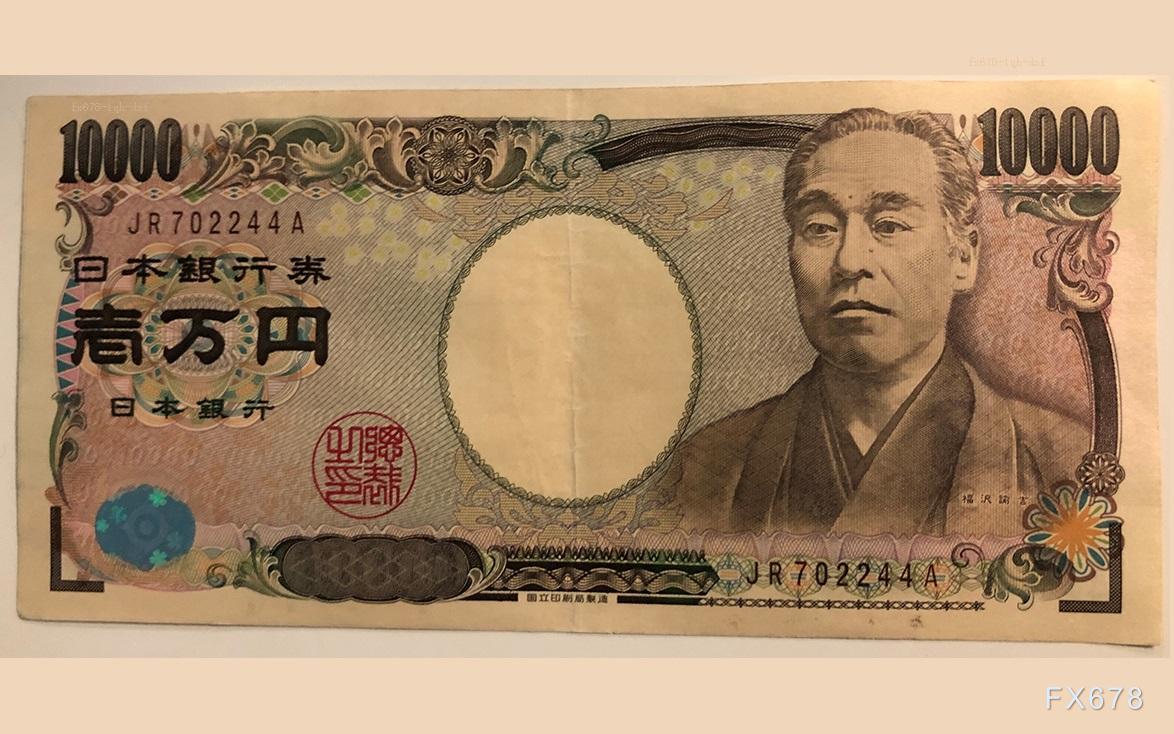
Main currency trends: The Japanese yen fluctuated and rebounded, while the euro fluctuated slightly due to the impact of the Ukraine Russia situation
The Japanese yen rebounded slightly to 152.64 on Friday, reversing the decline that occurred earlier this week due to the strengthening of the US dollar. The market's interpretation of PPI data is relatively mild, coupled with the decline in US Treasury yields, providing some support for the Japanese yen in safe haven demand. However, the Japanese yen still recorded its first weekly decline since early January this week.
The euro remained around 1.0461 on Friday, close to a two-week high. Previously, US President Trump had separate phone conversations with Russian President Putin and Ukrainian President Zelensky to discuss the situation in Ukraine and stated that Ukraine would have a place in any peace negotiations. This news boosted market confidence in the easing of geopolitical tensions and supported the trend of the euro.
The pound received support due to better than expected UK economic data, reaching a high of 1.25705 before slightly falling back to 1.256. Data shows that the UK economy unexpectedly grew by 0.1% in the fourth quarter of 2024, boosting market confidence in the resilience of the UK economy.
The market is paying attention to changes in US bond yields, and the Canadian dollar is affected by fluctuations in US bond trends
The yield of US treasury bond bonds declined, putting pressure on the short-term trend of the US dollar. At the same time, the Canadian dollar hit a two month high of 1.4184 on Thursday, benefiting from the decline in US bond yields and the overall weakness of the US dollar. Investors continue to pay attention to the future direction of Federal Reserve policies and further adjustments in the US bond market.
Editor's viewpoint:
The decision of the United States to postpone the implementation of equivalent tariffs has eased short-term trade concerns in the market, promoting the stability of the US dollar and major currencies. However, the global foreign exchange market still faces multiple uncertainties, with inflation data, Federal Reserve policy expectations, and geopolitical risks remaining key factors affecting market trends. Based on current data, the Federal Reserve may maintain a cautious stance, while the trend of the US dollar still needs further guidance from future economic data.
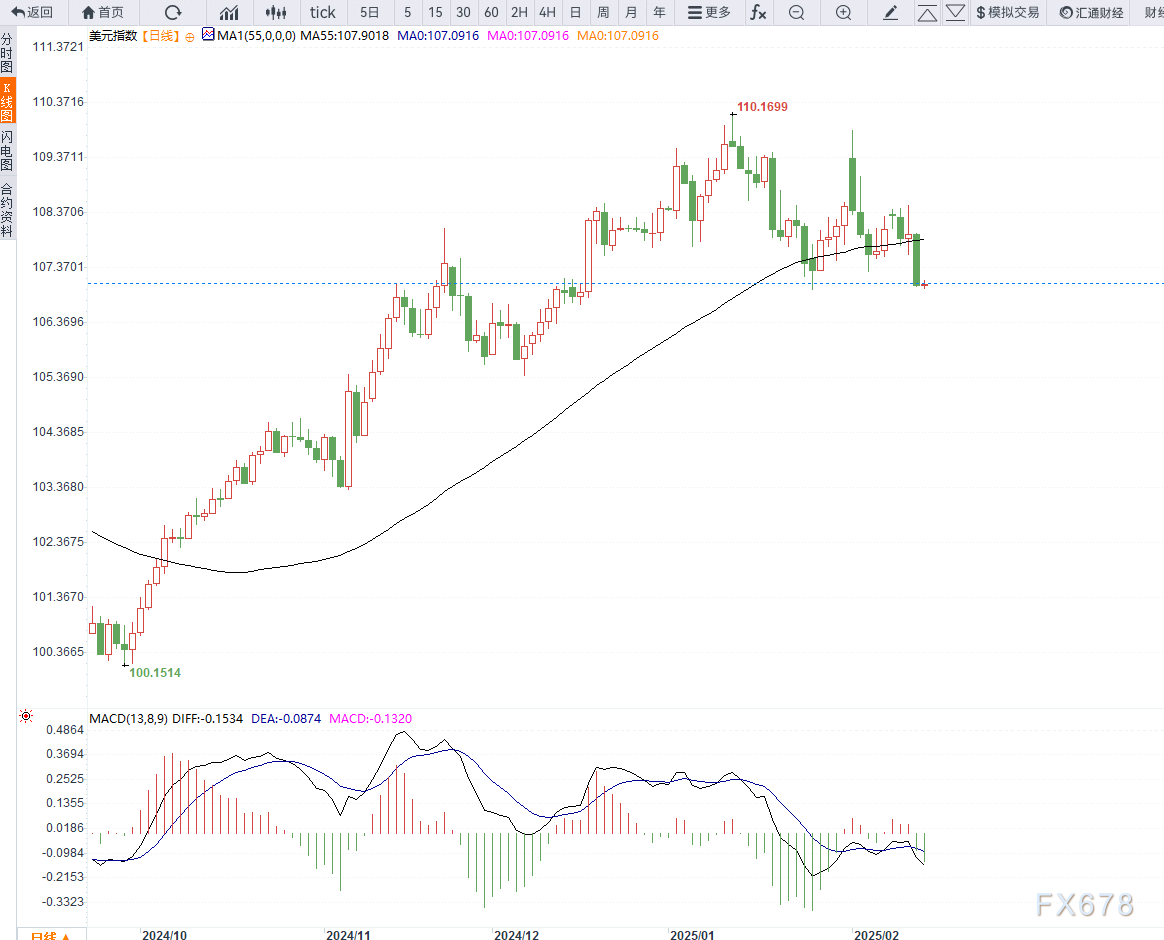
At 10:23 Beijing time, the US dollar index is now at 107.07