**********Recently, the unemployment concerns of British consumers and the increase in layoffs by businesses have put enormous pressure on the pound. As unemployment expectations rise, wage growth fails to drive consumption growth, and companies reduce employment in response to high tax burdens,The EconomyThe prospects for recovery are shrouded in shadow. The Bank of England has lowered its economic growth forecast for this year to 0.75%, and the performance of the pound in global markets has also been severely tested. The fluctuation of the pound exchange rate is closely related to the employment situation and policy adjustments in the UK, especially the short-term impact of tax increases on the economy, which will further suppress consumer confidence and investors' risk preferences, thereby affecting the performance of the money market.
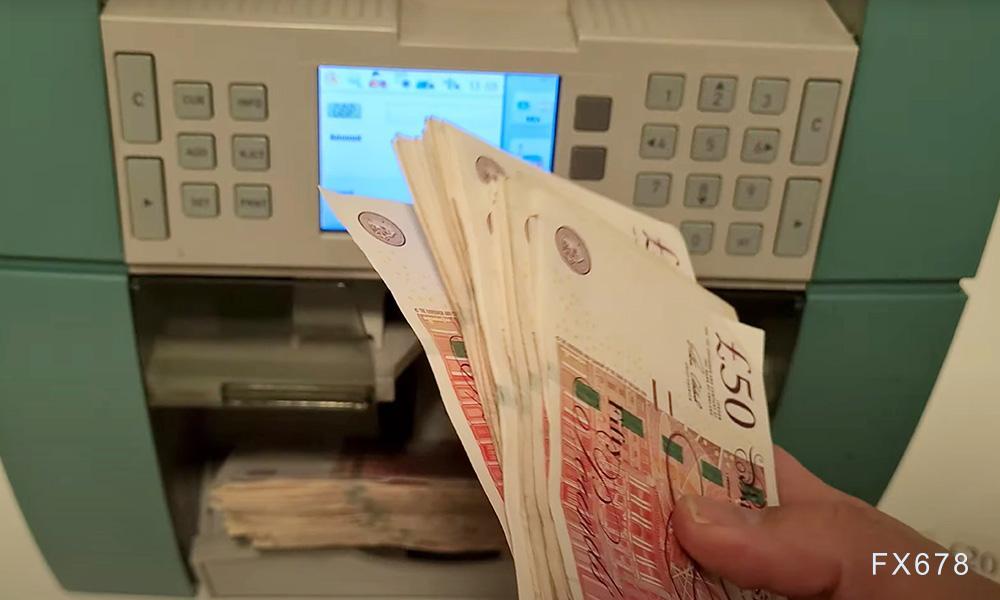
UK unemployment expectations and uncertainty in the job market
UK workers' concerns about unemployment reached their highest level in two years in early 2023, with unemployment expectations significantly rising according to a report from Bank of America. At the same time, the recruitment demand of enterprises has sharply declined, and multiple industries have cut positions, resulting in an increasing number of layoffs. This change directly led to consumers' concerns about future income, which in turn affected their consumption decisions. According to official statistics from the UK, the unemployment rate is expected to rise from 4.1% to 4.4% in 2023 and is likely to continue rising. Unemployment concerns and uncertainty in the job market have significantly weakened consumer confidence, resulting in weak consumer spending performance.
Marion Amiot, A senior European economist at Standard&Poor's Global Ratings pointed out, "Despite strong wage growth, consumers are still unwilling to spend heavily, mainly due to their growing concerns about unemployment
The decline in consumer confidence not only affects the retail industry, but also puts downward pressure on the pound exchange rate. The market's expectations for future economic growth have become more pessimistic, and investors' confidence in the pound has decreased, leading to pressure on the pound's exchange rates against the US dollar and the euro.
The increased burden on enterprises due to tax policies
The tax increase policy of UK Chancellor of the Exchequer Rachel Reeves has further increased the costs for businesses, especially the increase in payroll taxes. This policy directly led to some enterprises, especially large ones, starting large-scale layoffs to cope with the increased tax burden. For example, J Sainsbury Plc, the second largest supermarket company in the UK, announced the layoff of 3000 employees. Although this is only a small part of its total workforce, it reflects a deep-seated problem in the UK economy, namely the trend of layoffs by businesses in an uncertain economic environment.
The implementation of this policy undoubtedly exacerbates the instability of the job market and further increases consumers' concerns about the economic outlook. Factors such as layoffs, weakened production capacity, and reduced consumer spending are constantly weakening the market's trust in the pound.
British consumers' willingness to save has increased, making it more difficult for consumption to rebound
Even with wage growth, consumers did not increase their spending as expected. On the contrary, many families choose to allocate more of their income towards savings to cope with the risks brought about by future economic uncertainty. The savings rate of British households has maintained a high level in history, which also indicates consumers' cautious attitude. Behind this phenomenon is a combination of multiple factors such as slowing economic growth, rising living costs, and unstable job markets in the UK.
Barret Kupelian, PwC UK Chief Economist said, "Despite the increase in real wages, consumers are more inclined to save rather than consume in an uncertain economic environment, which directly affects the overall economic recovery
The increasing willingness of British consumers to save has directly led to a decline in consumer demand. And consumption is an important factor driving the value of the pound. When consumer confidence is low and spending levels are sluggish, the weakening of the pound becomes inevitable.
The pound is facing downward pressure
Due to the combined effects of a weak job market, tax policies, and declining consumer confidence, the pound is facing significant downward pressure on its exchange rate. According to analysis, the pound may continue to be dragged down by the domestic economic slowdown in the coming months. In the short term, the exchange rate of the pound against the US dollar and the euro may continue to decline, especially against the backdrop of increasing global economic uncertainty.
The monetary policy of the Bank of England has also failed to effectively support the pound exchange rate. Despite the Bank of England maintaining interest rates at 4.5% in its recent monetary policy report, the pound's exchange rate remains weak in global markets due to pessimistic forecasts of economic growth prospects.
Edit viewpoint
From the current economic situation, the employment and consumer markets in the UK are still in turmoil. Despite strong wage growth, the combined effects of unemployment concerns, corporate layoffs, and tax increase policies have led to sustained low consumer confidence, and consumer spending has not recovered at the expected pace. For the pound, this increase in uncertainty means it may continue to face depreciation pressure in the short term. Faced with this challenge, the UK government and central bank need to take more proactive measures to promote economic recovery and enhance market confidence in the pound, avoiding its continued weakness and further dragging down the economic recovery process.